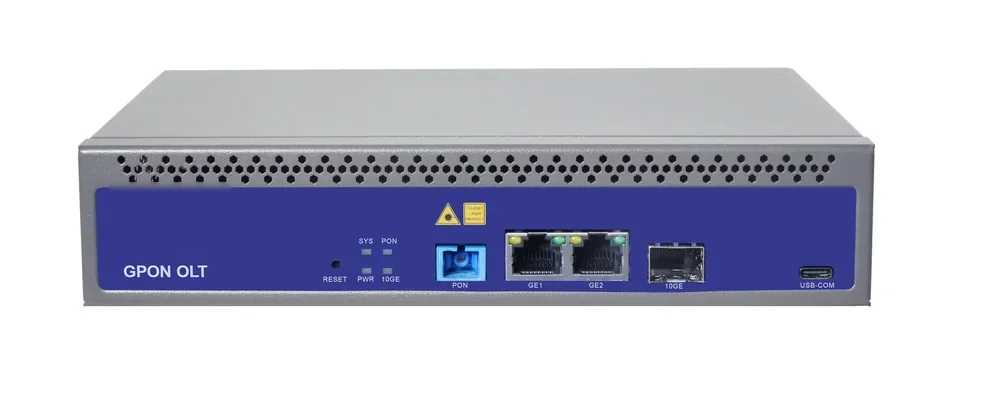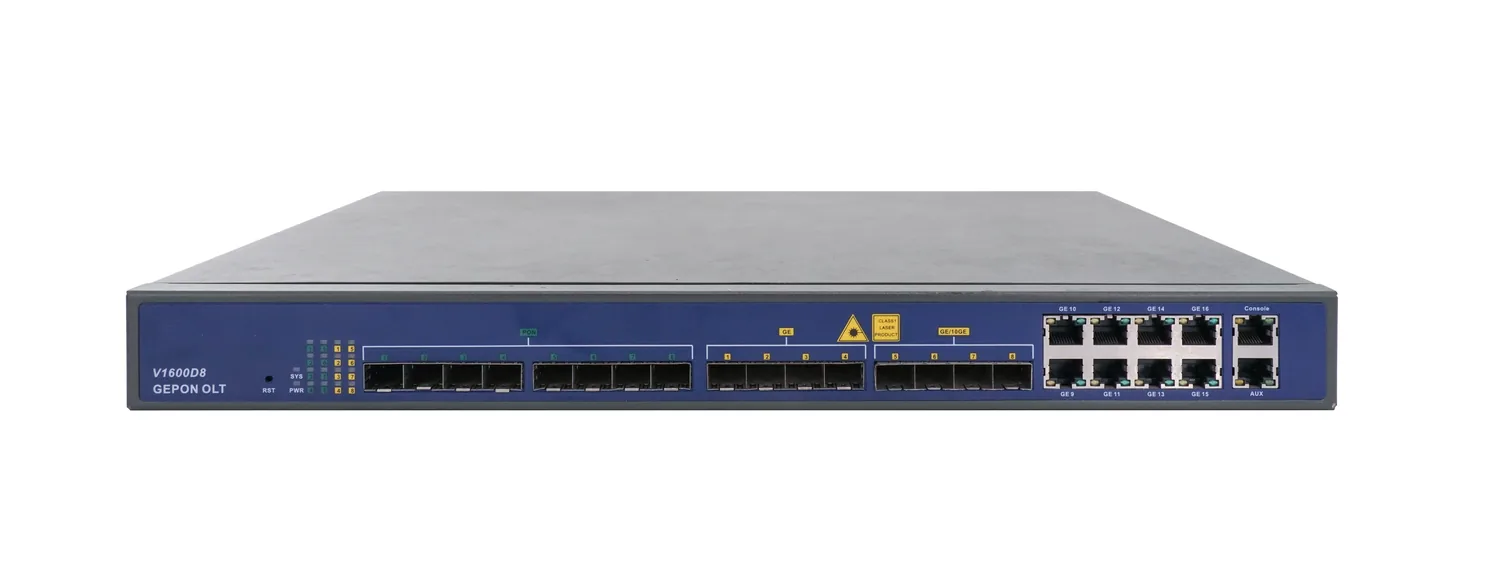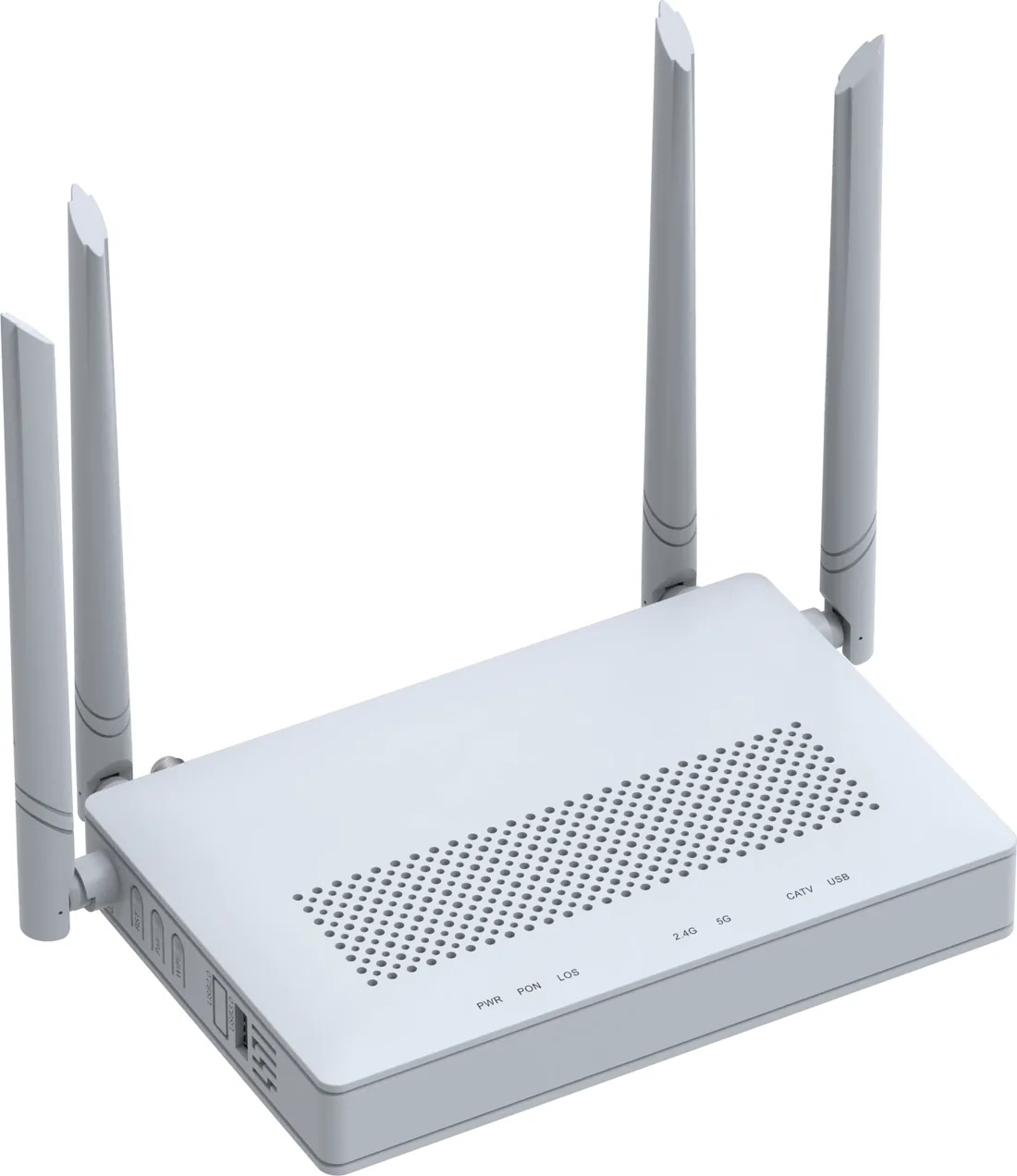

Does the ONU match the OLT’s PON mode?
EPON, GPON, XG-PON and XGS-PON are different protocols. An EPON ONU will not register on a GPON port, and a GPON ONU will not register on an EPON port. An XPON ONU can usually run either EPON or GPON, but it must be configured for the mode of the OLT port; the auto-detect is not universal.
Check the OLT port type and the ONU mode before ordering. If the OLT is GPON and the ONU is XPON, set the ONU profile to GPON; if the OLT is EPON, set EPON. A mismatch looks like a dead optical link even when the light is present.
| Check | What must match | Typical failure if mismatched |
|---|---|---|
| PON mode | EPON / GPON / XGS-PON | ONU does not register |
| Optical class | OLT TX, ONU sensitivity and overload | Low margin or receiver overload |
| Connector polish | SC/UPC or SC/APC | High loss and back-reflection |
| Management | OMCI / OAM / TR-069 | Registers but is not manageable |
| Service profile | VLAN, QoS, multicast | Wrong VLAN or no IPTV |
| Firmware | Release and production batch | Inconsistent behaviour after upgrade |
Test one ONU on the actual OLT before ordering a batch.
Do the optical classes match?
The OLT optic class (B+, C+, etc.) and the ONU sensitivity must fit the link budget. A Class B+ ONU may not have enough margin for a C+ OLT with a high split. The transmit power and receiver overload point also matter: a high-power OLT can saturate a short-reach ONU.
Check the OLT TX power, the ONU RX sensitivity and overload, and the splitter loss. A link that is “too strong” can be as problematic as one that is too weak; use an attenuator if the ONU overload point is exceeded.
Is the connector polish the same?
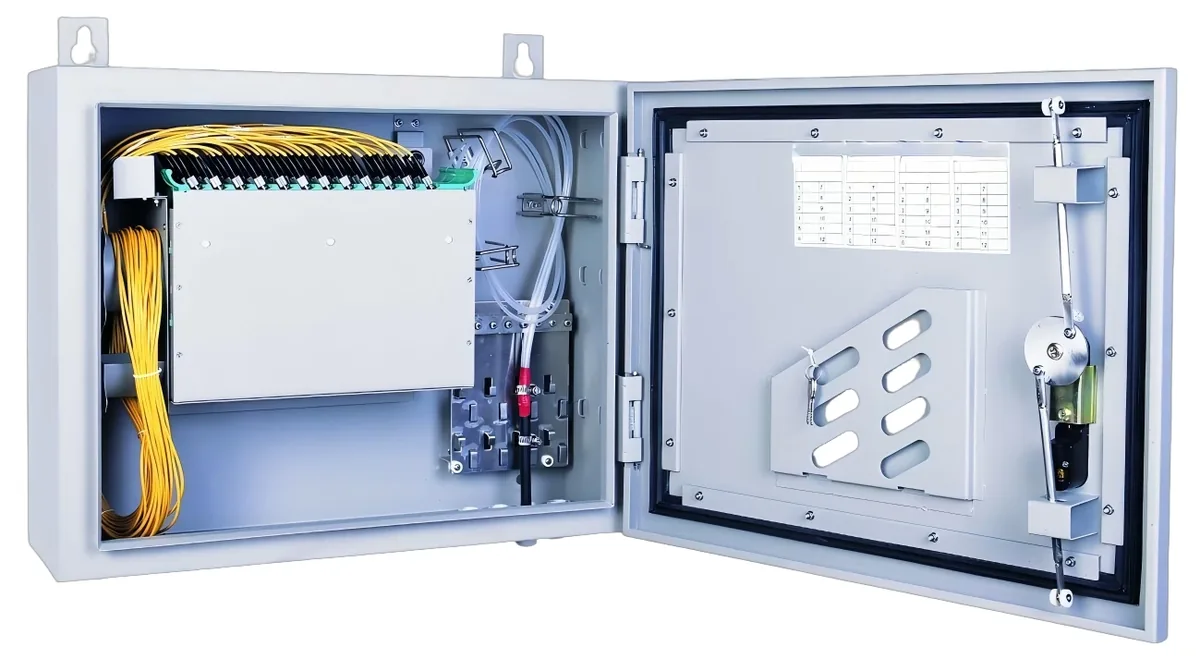
SC/UPC and SC/APC are not interchangeable without a hybrid patch cord. A UPC connector mated to an APC connector has high loss and back-reflection. Some ONUs use SC/APC (especially CATV models), while most OLTs and splitters use SC/UPC. State the polish on every patch cord and adapter.
If the OLT side is UPC and the ONU side is APC, use a hybrid patch cord at the ODF, not at the ONU. Keep the polish change in one place so the label plan stays clear.
Can the OLT manage the ONU?
GPON uses OMCI, EPON uses OAM, and many vendors add TR-069 or a proprietary ACS. A third-party ONU may register but not be fully manageable: VLAN, Wi-Fi, CATV and POTS settings may not be exposed. That is a support problem, not a link problem.
Ask for the interoperability list or test one ONU on the OLT before ordering a batch. Check the firmware version, the ONU profile and the management fields the operator needs (SSID, VLAN, PoE control, CATV).
Does the VLAN and service profile match?
The OLT pushes a service profile to the ONU: VLAN, QoS, multicast, line rate, and sometimes Wi-Fi SSID. If the ONU does not support the profile fields, the service may come up with the wrong VLAN or no multicast. Test the full service, not just the optical link.
Keep a written profile for each ONU model: PON mode, VLAN, QoS, multicast, management. A mixed-vendor network needs a matrix, not tribal knowledge.
Is the firmware compatible and supported?
Firmware versions can change registration behaviour, management fields and Wi-Fi defaults. A batch of ONUs from different production runs may behave differently. Record the firmware version on the as-built and ask for the release notes before an upgrade.
For a project, order the OLT and ONUs from the same supply batch where possible. If that is not possible, test one unit from each batch on the actual OLT before the full rollout.
| As-built record | Example | Why it matters |
|---|---|---|
| OLT port | GPON 0/1/2 | Find the link after a fault |
| PON mode | GPON | Match the ONU profile |
| Optical class | Class B+ | Check the link budget |
| Splitter | 1:32, port 7 | Trace the ODN |
| ONU model / firmware | Model code and release | Repeat the configuration |
| Optical power | −19.5 dBm at the ONU | Baseline for degradation |
Give the next technician a record, not tribal knowledge.
Use this on a real site
Send the endpoint count, the longest run, the mains condition and the load. We will apply this calculation to your project and return the optical/power budget with the bill of materials.